Category: Power Wheelchair
Posted by 2025-12-30 11:12
hoyer lift home use
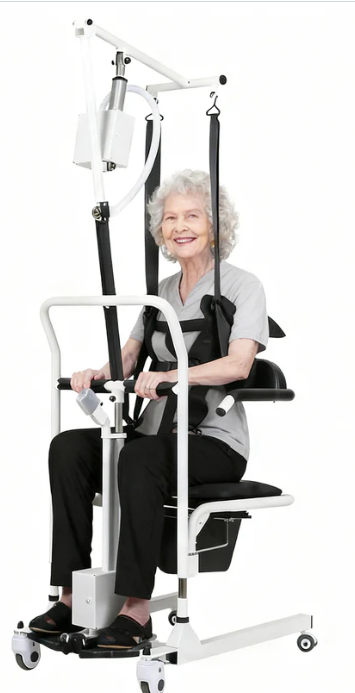
Hoyer Lift for Home Use: A Household Solution for Safety, Dignity, and Sustainable Caregiving
As the aging society accelerates, more and more families are taking on the responsibility of caring for disabled loved ones. hoyer lift home use Whether it is parents with post-stroke hemiplegia, patients with advanced Parkinson's disease, or family members with mobility impairments caused by accidents, daily transfers—from bed to wheelchair, floor to toilet—have become a common challenge for many households. In this quiet "battle" of caregiving, the Hoyer Lift is gradually moving from hospitals to living rooms, becoming an indispensable "safety pillar" in home care.
However, introducing a medical device originally designed for institutional use into the home is not as simple as just purchasing it. Practical factors such as space constraints, operational capabilities, budget considerations, and privacy needs require household users to have a deeper understanding of the selection, use, and maintenance of Hoyer Lifts. This article focuses on the practical application of Hoyer Lifts in home environments and provides a comprehensive guide from purchase to operation.
Why Do Households Need a Hoyer Lift?
Many families initially attempt to complete transfers manually—children bending down to lift, neighbors lending a hand, or even using bed sheets to drag. But these methods hide significant risks:
For caregivers: Repeated bending and lifting heavy loads can easily lead to lumbar disc herniation and muscle strains. In the long run, health damage may make it impossible to continue caregiving.
For users: Dragging can cause shear injuries to the skin on the buttocks or thighs; sudden loss of balance may result in falls and fractures; prolonged exposure of the body can also trigger feelings of shame.
Psychological impact: Both parties may experience emotional stress due to "dependency" and "burden," affecting family relationships.
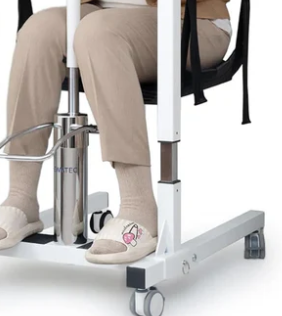
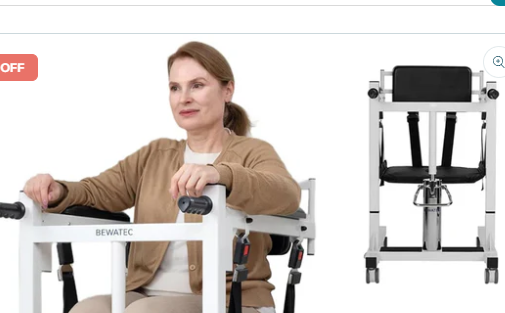
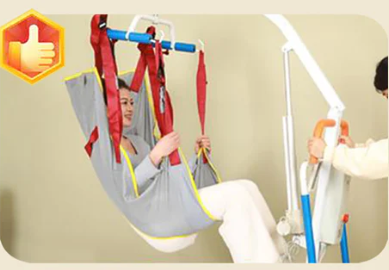
The Hoyer Lift replaces manual labor with machinery, making transfers smooth, controllable, and dignified. It is not just a machine, but a key tool for maintaining the sustainability of home caregiving.
Typical Scenarios for Hoyer Lift Use at Home
Daily Bed-to-Wheelchair Transfers
Transferring from bed to wheelchair for breakfast in the morning, returning to bed for a rest in the afternoon, and moving back to bed for sleep at night—this is the most common and frequent operation.
Toileting Assistance
When used with a dedicated toileting sling, transfers to the toilet can be completed without removing pants, greatly protecting privacy.
Emergency Response to Falls
If an elderly person falls in the bedroom or bathroom at night, family members can quickly use the Hoyer Lift to safely lift them up, avoiding hypothermia, pressure ulcers, or psychological panic caused by prolonged stays on the floor.
Bathing Support
Some households are equipped with quick-drying bathing slings, which, when used with non-slip mats in the bathroom, enable safe transfers for bathing.
Key Considerations for Choosing a Hoyer Lift for Home Use
1. Power Type: Electric vs. Manual
Full-electric models: The easiest to operate and quiet, suitable for families with frequent use or elderly/physically weak caregivers. hoyer lift home use Although the price is higher (usually $1,500–$3,500), they can reduce caregiving burdens in the long run.
Manual hydraulic models: Lifted by pumping a handle, with a lower price (approximately $800–$1,500), but require a certain amount of arm strength and are not suitable for elderly caregivers living alone.
Recommendation: If transfers are needed more than twice a day, or if the caregiver is over 60 years old, prioritize full-electric models.
2. Space Adaptability
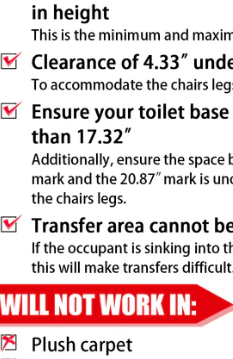
Measure the width of home doors (standard doors are about 28–32 inches), corridor corners, and bathroom entrances.
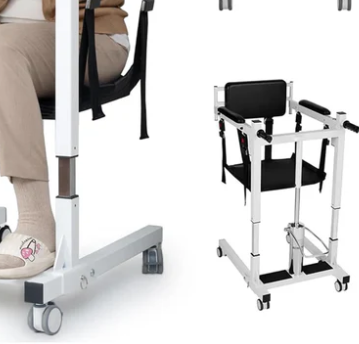
Choose models with narrow bases or foldable legs to ensure they can easily enter bedrooms and bathrooms.
Some high-end models (such as the Arjo Hoyer Genesis) have a folded width of only 23 inches, specifically designed for older residences.
3. Load Capacity and Size Matching
The rated load capacity of the device should be ≥ the user’s weight × 1.2 (e.g., a 90 kg user should choose a model with a capacity ≥ 110 kg).
Slings should be selected based on the user’s height and hip circumference. Oversized slings are prone to slipping, while undersized ones cause discomfort due to pressure.
4. Power Supply and Maintenance
Confirm that the device supports household 110V/220V power supply (users in China should pay attention to voltage compatibility).
Lithium battery models are lighter and have a longer lifespan than lead-acid battery models, making them suitable for frequent charging.
Practical Recommendations for Safe Operation at Home
Before using the lift for the first time, be sure to watch instructional videos or ask the supplier for on-site guidance. Do not rely solely on the manual for self-learning.
Before each operation, check: Are the legs fully extended? Is the battery fully charged? Are there any damages to the sling?
Prioritize communication: Inform the user of the transfer steps in advance to reduce their anxiety.
Protect privacy: Draw curtains or use room dividers during operations, and help the user adjust clothing and cover them with a blanket after transfers.
Regular maintenance: Replace slings every 6–12 months; clean the guide rails and handles monthly; avoid recharging the battery only after it is completely drained.
Financial Support and Policy Resources
Many families are deterred by the price, but there are actually multiple support channels:
United States: Medicare Part B can cover part of the cost if medical necessity is demonstrated (requires a doctor’s prescription and a certified supplier); hoyer lift home use Medicaid programs in various states may also provide funding.
Canada: Provincial assistive device programs (such as Ontario’s ADP) offer reimbursements of up to 75%.
China: Pilot cities for "home-based elderly care beds" (such as Beijing, Shanghai, Guangzhou, and Chengdu) provide 30%–50% subsidies for Hoyer Lifts; the Disabled Persons’ Federation offers special subsidies for the purchase of assistive devices for severely disabled individuals.
Non-profit organizations: Some charities or community service centers provide equipment rental or second-hand donations.
It is recommended to consult the local civil affairs bureau, Disabled Persons’ Federation, or community elderly care service center to learn about specific policies.
A True Story: One Machine, One Family Transformed
Aunt Wang (72 years old) has been taking care of her bedridden husband with a stroke for three years. In the past, she had to ask her son to come home to help with every transfer, and she often suffered from back pain that kept her awake at night. Last year, she purchased a domestic full-electric Hoyer Lift with the help of a community subsidy. "Now I can handle it all by myself, and he no longer has to worry about being a burden to us," she said. "hoyer lift home use Most importantly, he doesn’t have to feel embarrassed when using the toilet anymore."
This is precisely the most touching value of a Hoyer Lift in the home—it turns caregiving from a physical battle into a gentle act of support.
Conclusion: Investing in a Hoyer Lift Is Investing in a More Secure Home
Home care should not come at the cost of health. Introducing a Hoyer Lift is not "handing over a loved one to a machine," but using technology to protect family bonds, ensuring safety through standards, and preserving love through dignity.
Before deciding whether to purchase one, remember: You deserve a caregiving method that doesn’t harm your health, and your loved one deserves to be supported safely, quietly, and with dignity. Choosing a Hoyer Lift suitable for your home may be the first step toward sustainable caregiving.